
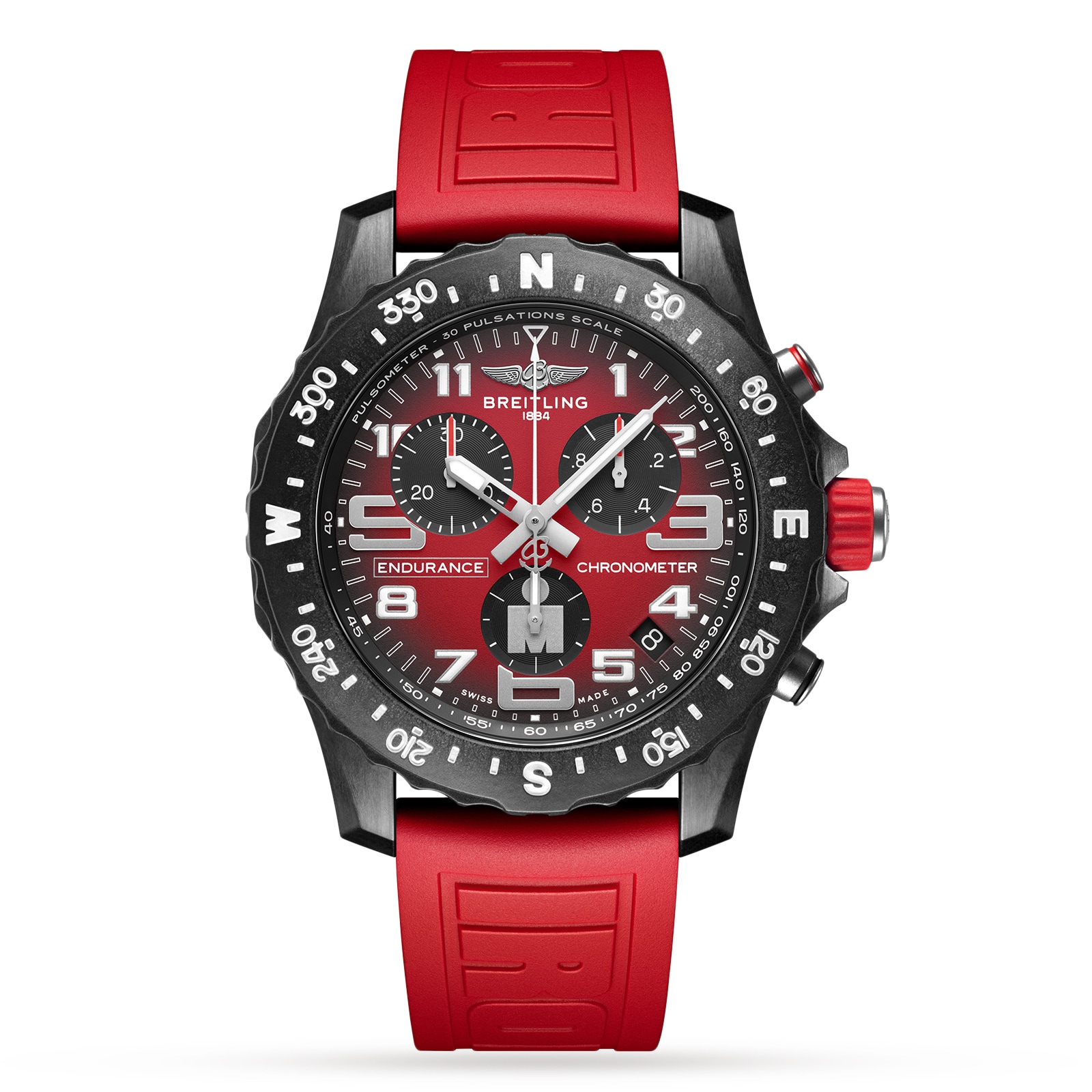
The Breitling Triathlon Watch: A Guide to a Vintage Sports Timepiece
The Breitling Triathlon is a sporty watch from the brand’s quartz-era collections. It is less widely known today than models such as the Navitimer or Chronomat, but its practical design and distinctive period styling make it an interesting option for collectors and anyone looking for a vintage Breitling.
What is the Breitling Triathlon?
The Triathlon name is associated with Breitling sports watches produced during the late twentieth century. These watches were designed with everyday activity in mind, combining a robust appearance with quartz timekeeping. Depending on the particular model and reference, a Triathlon may have different functions, dial layouts, case materials and water-resistance ratings. It is therefore worth checking the exact reference rather than assuming that every watch bearing the name has identical specifications.
As with many watches from this period, the Triathlon’s appeal lies partly in its blend of practical features and unmistakable 1980s or 1990s design cues. Its look can differ considerably from Breitling’s better-known mechanical aviation watches, giving it a character of its own.
Design and features
Breitling Triathlon watches are generally recognised for their sporty cases and legible dials. Some versions have chronograph or other timing functions, while details such as the bezel, bracelet, hands and dial markings vary between references. The movement is quartz, which offers convenient timekeeping, although the battery and movement will need appropriate attention over the years.
Before buying, compare the watch with reliable photographs and documentation for its specific reference. Check that the dial, hands, bezel and case details appear consistent, and remember that replacement parts or later servicing may have changed a watch from its original configuration.
Is the Breitling Triathlon suitable for sport?
The name may suggest a watch intended for triathlon competition, but a vintage watch should not automatically be treated as a modern sports instrument. Ageing seals, previous repairs and case wear can all affect water resistance. Unless the watch has been inspected and pressure-tested by a qualified watchmaker, it is safer to keep it away from water.
For active use, consider whether the individual watch’s functions, condition and fit suit your needs. A modern sports watch may be a more practical choice for training, while a well-maintained Triathlon can be enjoyed as a distinctive everyday or collection piece.
Buying a vintage Breitling Triathlon
Condition and authenticity are especially important when buying a discontinued model. Ask for clear photographs of the dial, case back, movement and any reference or serial numbers. Check whether the watch comes with service records, and ask what work has been carried out. A seller should be able to explain any replaced parts or known faults.
- Confirm the reference: Specifications and appearance can vary across the range.
- Inspect the condition: Look for heavy polishing, corrosion, damage to the dial and signs of moisture.
- Check the functions: Test the crown, buttons and any timing features, where possible.
- Ask about servicing: A quartz movement may need a battery change or professional attention, particularly if it has not been used for some time.
- Buy from a reputable source: A specialist watch dealer or independent watchmaker may be able to help assess the watch.
Servicing and care
Quartz does not mean maintenance-free. Batteries should be replaced promptly when exhausted to reduce the risk of leakage, and the movement should be checked if the watch is losing time or its functions are unreliable. A watchmaker familiar with vintage Breitling models can advise on serviceability and the availability of suitable parts.
Keep the watch clean with a soft, dry cloth and store it somewhere dry and secure. Avoid exposing it to strong magnetic fields, knocks or water unless its condition and water resistance have been professionally confirmed.
A distinctive choice for Breitling enthusiasts
The Breitling Triathlon offers a different perspective on the brand’s history: a practical quartz sports watch rather than a traditional mechanical aviation chronograph. Its appeal depends on the specific reference, condition and personal taste. With careful research and a realistic understanding of its age, the Triathlon can be a rewarding vintage find for collectors and enthusiasts alike.
Essential Tips for Using Your Breitling Triathlon Watch Effectively
- Check your Breitling’s water-resistance rating before swimming.
- Rinse the watch with fresh water after sea or pool use.
- Use the chronograph to time each leg of your triathlon.
- Practise operating the pushers before race day.
- Secure the strap snugly without restricting circulation.
- Keep the watch away from strong magnetic fields.
- Have the seals checked regularly, especially before open-water events.
- Avoid pressing the chronograph pushers underwater unless the manual permits it.
Check your Breitling’s water-resistance rating before swimming.
Before taking your Breitling Triathlon swimming, check the water-resistance rating for its exact model and make sure the watch has been inspected recently. On a vintage watch, seals can deteriorate with age or after servicing, so the original rating may no longer reflect its current condition. If you are unsure, ask a qualified watchmaker to check and pressure-test it—and keep it out of the water until its water resistance is confirmed.
Rinse the watch with fresh water after sea or pool use.
After wearing your Breitling Triathlon in the sea or swimming pool, rinse it gently with fresh, clean water to remove salt, chlorine and other residue, which can damage the case, seals or strap over time. Do this only if the watch’s water resistance is confirmed and the crown and pushers are securely closed; an older or untested watch should be kept out of the water and checked by a qualified watchmaker.
Use the chronograph to time each leg of your triathlon.
Use the chronograph to time each leg of your triathlon, recording how long you spend swimming, cycling and running. Reset it between stages if you want separate timings, and check that the watch’s buttons and chronograph functions are working properly before your event. As the Breitling Triathlon is a vintage watch, have it inspected by a watchmaker and avoid using it in water unless its water resistance has been confirmed.
Practise operating the pushers before race day.
Before race day, take time to practise using the Breitling Triathlon watch’s pushers so you can operate its timing functions confidently and without distraction. Check what each pusher does, rehearse starting, stopping and resetting the timer, and make sure you can do so while wearing the watch. This helps avoid fumbling during an event; if the pushers feel stiff or unresponsive, have the watch checked by a watchmaker rather than forcing them.
Secure the strap snugly without restricting circulation.
Fasten the Breitling Triathlon’s strap securely so the watch stays comfortably in place, but not so tightly that it restricts circulation. You should be able to slide a finger beneath the strap; loosen it if you notice discomfort, tingling or marks on your wrist.
Keep the watch away from strong magnetic fields.
Keep your Breitling Triathlon away from strong magnetic fields, which can affect the movement and cause inaccurate timekeeping. Avoid placing it near powerful speakers, magnetic clasps, or other strong magnetic sources. If the watch begins gaining or losing time unexpectedly, have it checked by a qualified watchmaker.
Have the seals checked regularly, especially before open-water events.
Have the seals on your Breitling Triathlon checked regularly by a qualified watchmaker, particularly before taking it into open water. Seals can deteriorate with age and use, compromising the watch’s water resistance even if the case looks sound. A professional inspection and pressure test can help identify problems before they lead to moisture damage.
Avoid pressing the chronograph pushers underwater unless the manual permits it.
Avoid pressing the chronograph pushers while the Breitling Triathlon is underwater unless the manual for your specific model explicitly permits it. Operating the pushers beneath the surface can compromise the seals and allow water into the case, potentially damaging the movement. If you’re unsure about your watch’s water resistance or operating instructions, check the manual or ask a qualified watchmaker before using the chronograph in water.