
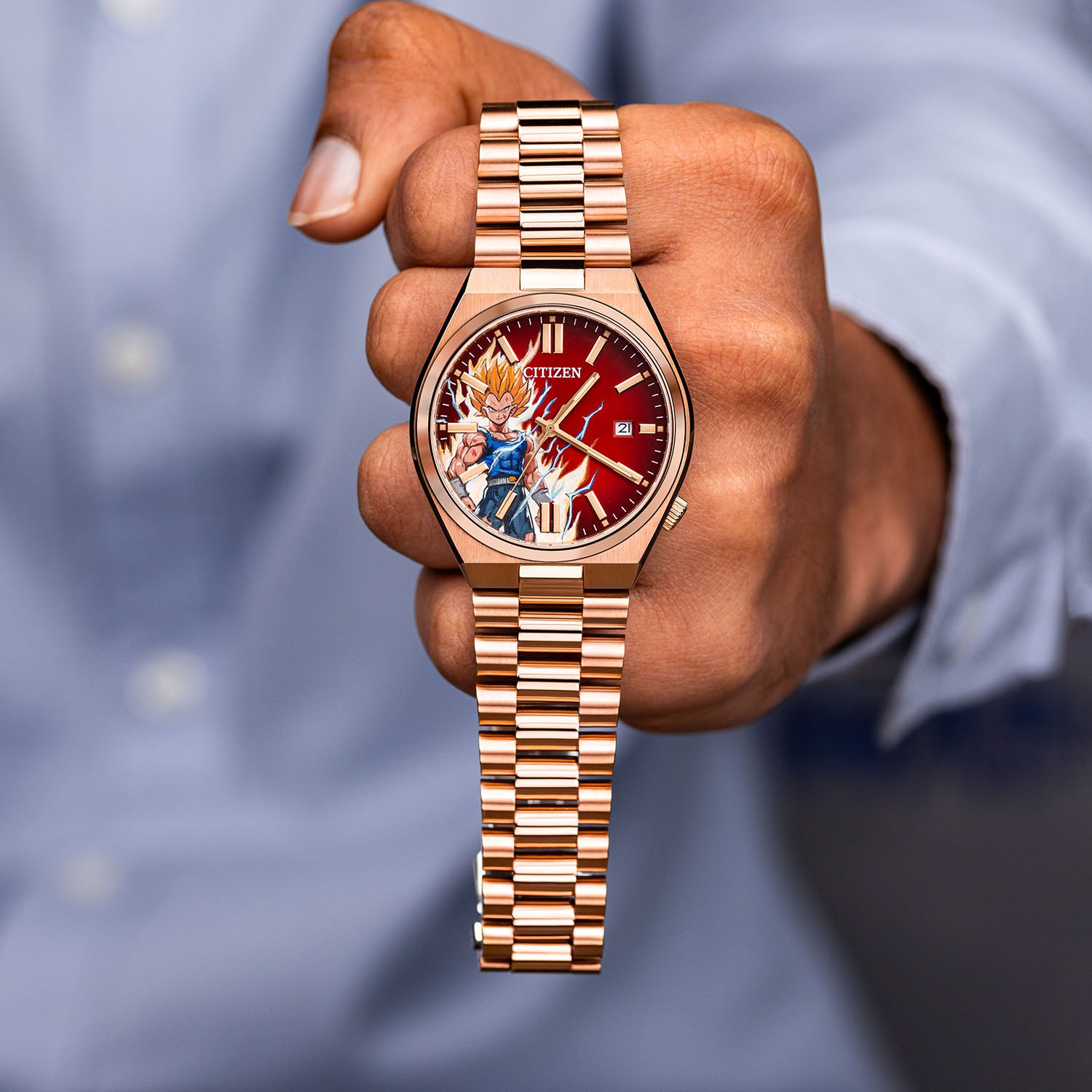
Royal Timepieces: A Tradition of Elegance and Prestige
Watches have long been associated with royalty, symbolising power, wealth, and sophistication. Royal timepieces are not merely instruments for telling time; they are exquisite works of art that reflect centuries of tradition and craftsmanship.
Throughout history, monarchs and nobility have commissioned bespoke watches to showcase their status and taste. These royal timepieces are often adorned with precious metals, gemstones, and intricate engravings, making them not only functional accessories but also symbols of luxury and prestige.
One of the most famous royal watchmakers is Patek Philippe, known for creating exquisite timepieces for kings, queens, and dignitaries around the world. Each Patek Philippe watch is a masterpiece of precision engineering and timeless design, embodying the brand’s commitment to excellence.
Another renowned brand in the world of royal timepieces is Rolex. With a history dating back to the early 20th century, Rolex has been favoured by royalty for its durability, accuracy, and elegant aesthetics. From Queen Elizabeth II to Prince William, members of royal families have been spotted wearing Rolex watches on various occasions.
Aside from Patek Philippe and Rolex, other luxury watch brands such as Audemars Piguet, Cartier, and Jaeger-LeCoultre have also created custom timepieces for royalty. These watches often feature unique designs or special engravings that pay tribute to the royal patron or commemorate significant events.
Today, royal timepieces continue to captivate collectors and enthusiasts alike. Whether displayed in museums or passed down through generations as heirlooms, these watches serve as reminders of a bygone era when craftsmanship and elegance reigned supreme.
In conclusion, royal timepieces represent more than just watches; they embody a legacy of elegance, prestige, and unparalleled artistry. As we admire these exquisite creations from centuries past to the present day, we honour the enduring tradition of horology fit for kings and queens.
Exploring Royal Timepieces: Distinction, Brands, Accessibility, and Historical Significance
- 1. What makes a watch a ‘royal timepiece’?
- 2. Which luxury watch brands are known for creating royal timepieces?
- 3. How can one distinguish between a regular watch and a royal timepiece?
- 4. Are royal timepieces only worn by royalty or are they available to the public?
- 5. What historical significance do royal timepieces hold in the world of horology?
1. What makes a watch a ‘royal timepiece’?
A watch earns the title of a ‘royal timepiece’ through a combination of exceptional craftsmanship, historical significance, and prestigious associations with royalty. These timepieces are often custom-made or specially commissioned for members of royal families, featuring luxurious materials, intricate designs, and sometimes even personalised engravings. Beyond their aesthetic appeal, royal timepieces symbolise status, heritage, and tradition, embodying the essence of elegance and refinement that has long been synonymous with royalty. The distinction of a ‘royal timepiece’ extends beyond its function as a mere accessory; it represents a timeless connection to nobility and a legacy of excellence in horology.
2. Which luxury watch brands are known for creating royal timepieces?
Several luxury watch brands are renowned for creating royal timepieces that exude elegance and prestige. Patek Philippe stands out as a prominent name in the world of royal watches, crafting exquisite timepieces for monarchs and dignitaries worldwide. With a rich history dating back to the 19th century, Patek Philippe’s watches are synonymous with exceptional craftsmanship and timeless design. Rolex is another esteemed brand favoured by royalty for its precision, durability, and classic aesthetics. From Queen Elizabeth II to Prince William, members of royal families have been seen wearing Rolex watches on various occasions, solidifying the brand’s status as a go-to choice for regal timepieces. Other luxury watchmakers such as Audemars Piguet, Cartier, and Jaeger-LeCoultre have also left their mark in creating bespoke royal watches that showcase opulence and sophistication.
3. How can one distinguish between a regular watch and a royal timepiece?
Distinguishing between a regular watch and a royal timepiece often comes down to several key factors. Firstly, royal timepieces are typically associated with prestigious watch brands known for their heritage, craftsmanship, and exclusivity. These brands often have long-standing relationships with royalty and may have special editions or bespoke creations made for royal families. Additionally, royal timepieces are often adorned with luxurious materials such as precious metals, diamonds, or intricate engravings that elevate their aesthetic appeal beyond that of a regular watch. The provenance and history of a watch can also play a significant role in distinguishing it as a royal timepiece, as watches with royal connections or provenance tend to hold greater value and significance in the world of horology.
4. Are royal timepieces only worn by royalty or are they available to the public?
Royal timepieces, while historically associated with royalty, are not exclusively reserved for monarchs and nobility. In fact, many luxury watch brands favoured by royalty, such as Patek Philippe and Rolex, offer collections that are available to the public. These prestigious timepieces may feature similar designs and craftsmanship to those commissioned for royal families, allowing watch enthusiasts and collectors to own a piece of horological history. While bespoke royal timepieces remain exclusive to their intended recipients, the public can still experience the elegance and prestige associated with these watches through limited editions or special collaborations offered by luxury brands.
5. What historical significance do royal timepieces hold in the world of horology?
The historical significance of royal timepieces in the world of horology is profound and multi-faceted. These exquisite watches not only showcase the technical prowess and artistic mastery of renowned watchmakers but also serve as tangible symbols of power, prestige, and cultural heritage. Royal timepieces often feature intricate designs, rare materials, and bespoke details that reflect the unique tastes and personalities of monarchs and nobility throughout history. Beyond their ornate aesthetics, these watches hold a special place in horological history as they mark important milestones, royal events, and dynastic legacies. By studying royal timepieces, we gain insights into the evolution of watchmaking techniques, design trends, and the enduring allure of luxury timepieces in society.